
Linguistik im Kinderzimmer - Sprachentwicklung dreisprachig erklärt mit Herz & Hirn
Linguistik im Kinderzimmer - Sprachentwicklung dreisprachig erklärt mit Herz & Hirn
Behind every word choice and sentence structure lies a silent and sophisticated control system in the brain. For families raising children abroad, protecting the heritage language is not only cultural continuity, but a gift: a fuller cognitive toolbox for the child.
When four-moth-old bilingual babies can distinguish English and French sounds better than monoginguals, or when bilingual seniors develop Alzheimer's five years later than monolingual peers - it's not just about learning language, it's a neural transformation.
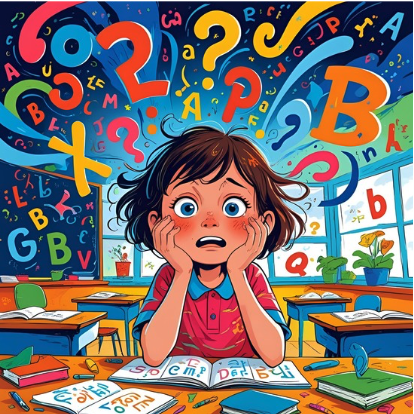
Yet, many parents still worry:
But neuroscience paints a very different picture: bilingual environments enhance, rather than hinder, brain development. Below I will explain these myths in more detail.
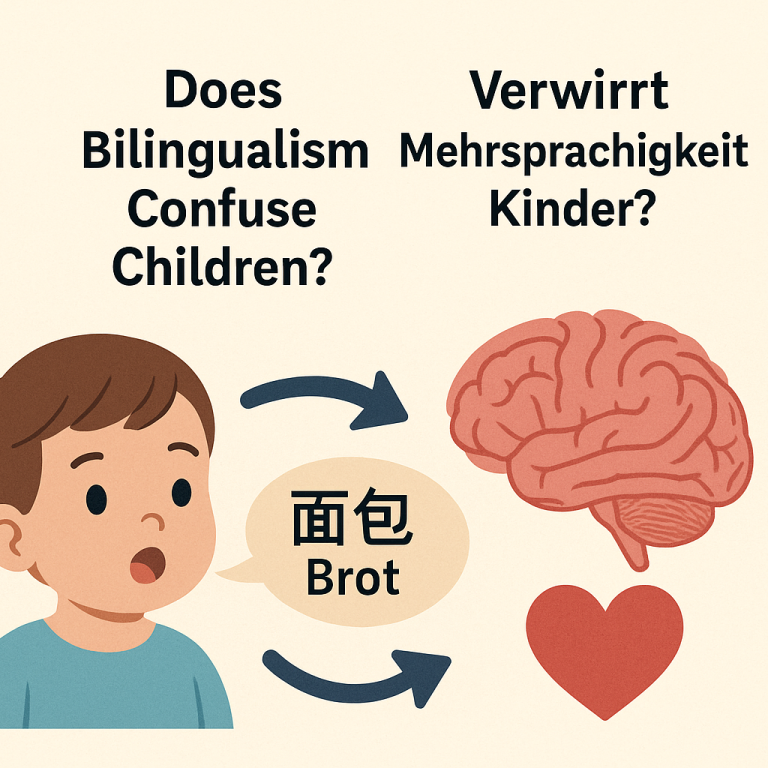
Language mixing is not language confusion. When a child says, "I want Apfel," it's not a sign of chaos, but a normal part of bilingual development: code mixing. It reflects adaptability and strategic use of both languages.
Wir benötigen Ihre Zustimmung zum Laden der Übersetzungen
Wir nutzen einen Drittanbieter-Service, um den Inhalt der Website zu übersetzen, der möglicherweise Daten über Ihre Aktivitäten sammelt. Bitte überprüfen Sie die Details in der Datenschutzerklärung und akzeptieren Sie den Dienst, um die Übersetzungen zu sehen.